UX Audit Services for SaaS Companies

A senior SaaS designer reviews your product, finds what's slowing your users down, and tells you what to fix first. A complete service with a fixed price.

100+ reviews on Clutch.co

What SaaS teams tell us before an audit

We see where users drop off. We don’t know why.

Fewer people convert or stick around, and revenue shows it. Something in the product is pushing them away, but you can’t tell what, so every fix is a guess.

We need to fix what needs fixing before we launch.

Launch is weeks away, and first users won’t give you a second chance. You want an outside expert to check the experience before they see it.

The product grew. Users struggle to find things.

Every new feature made the product a little harder to use. Now users can’t find what they came for, and your team keeps explaining the same screens.

I have to validate what Claude is saying.

Internal reviews turned into opinion contests, AI gave you a list you had to fact-check, and weeks later you still don’t know what’s actually wrong.

We want an outside UX review, not a redesign.

Your team knows the product too well to see it clearly. You want someone with no history with the file and no stake in defending past decisions.

We built it fast, and no designer has ever reviewed it.

Your developers or AI built what was quickest to ship. Nobody with UX judgment has reviewed it, and every release builds on that.

What a SaaS UX audit gives you

You get a designer, not just a document.

A senior designer who has shipped SaaS products in your category reviews your product: a single flow, one part of the app, or the whole thing.They show you where users get stuck, why, and what to fix first.Then they walk you through it screen by screen and answer the questions a document can't.

What happens next is your call. Take the report to your own developers and start fixing. Or continue with us, and the audit fee goes toward the redesign instead of on top of it. The audit is complete either way.

Our UX audit process

Three phases: understand the product and the evidence you already have, review the experience from multiple angles, then turn what we find into a prioritized plan.

Understanding your product
01
Interview with your product team
We start with a short call with your product and support stakeholders: what the product is for, what the business needs from it, where you already suspect trouble. By the end of the call we've agreed the scope — which flows, for which users, against which goals.
02
We look at what your data already shows
If you have analytics, we start there. GA4, Mixpanel, Amplitude, Hotjar, FullStory, session recordings, support tickets — whatever you've got running. Your numbers show where users struggle; the rest of the user experience audit explains why. If you don't have analytics, or nobody's had time to look at them, we
work from the product itself.
The review
03
We walk your key flows the way users do
Onboarding, activation, the core task, upgrade paths — end to end. We document where users get confused or stuck, and what's causing it at each point.
04
Heuristic evaluation and UX best practices check
05
Information architecture and navigation analysis
06
Visual design review
07
Competitor analysis
What you get
08
We prioritize what we found
09
We assemble the report and walk you through it

What your UX design audit report looks like

It’s a visual breakdown of every issue we found — where it is, why it matters, and what to do about it — so your team can act on it long after the walkthrough.

Annotated screenshots

highlighting problem areas

A severity rating for every issue

(from minor friction to critical blockers)

Clear explanations

of what’s happening and why it matters

Practical recommendations

for improvement

A strategic roadmap

showing a summarized list of prioritized fixes

How much does a UX audit cost?

Fixed

$6,599

One price, agreed before we start.

Senior SaaS designer

Thorough product review

Complete report

Personal walkthrough

The price is one month of your designer's time.

A focused audit takes 2–3 weeks.

If you continue with us, the time that's left goes straight into the redesign: same designer, who already knows your product, and no second invoice.

When the audit is done, you have everything. Nothing is held back for a follow-up engagement.

What happens when the findings get fixed

CaseScribe — Legal AI

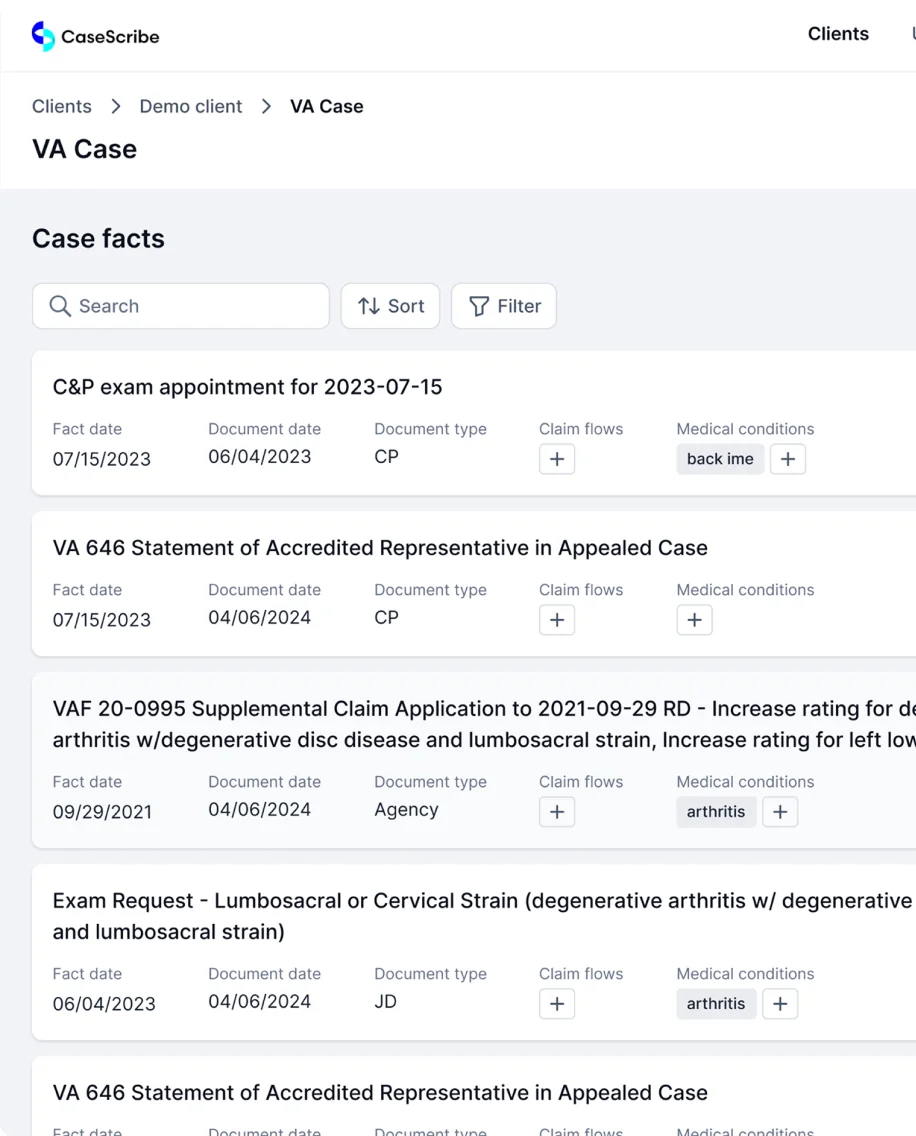
A working MVP that lawyers couldn't actually work in.

The audit found problems in five areas — no processing feedback, inconsistent patterns, documents split from their data, unusable PDF previews, form friction.
/ 01
Outcome: a blueprint for the redesign. CaseScribe secured a major investor.
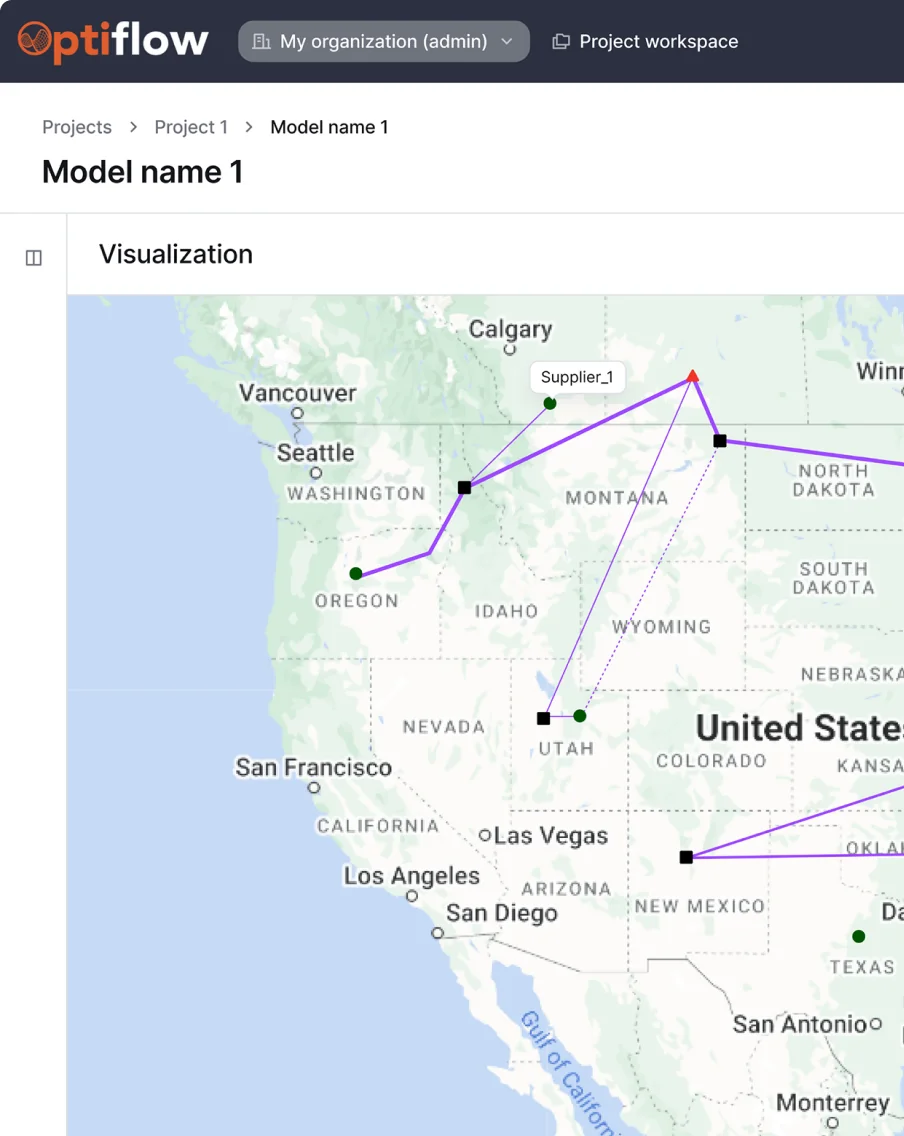
Lambda SCS — Supply chain SaaS

An internal tool going to market, built by people who already knew how it worked.

The audit found 8 critical friction points — fragmented navigation, broken breadcrumbs, overloaded action panels, icons from three different design systems.
/ 02
Outcome: scope for a redesign that turned OptiFlow into a sellable product.
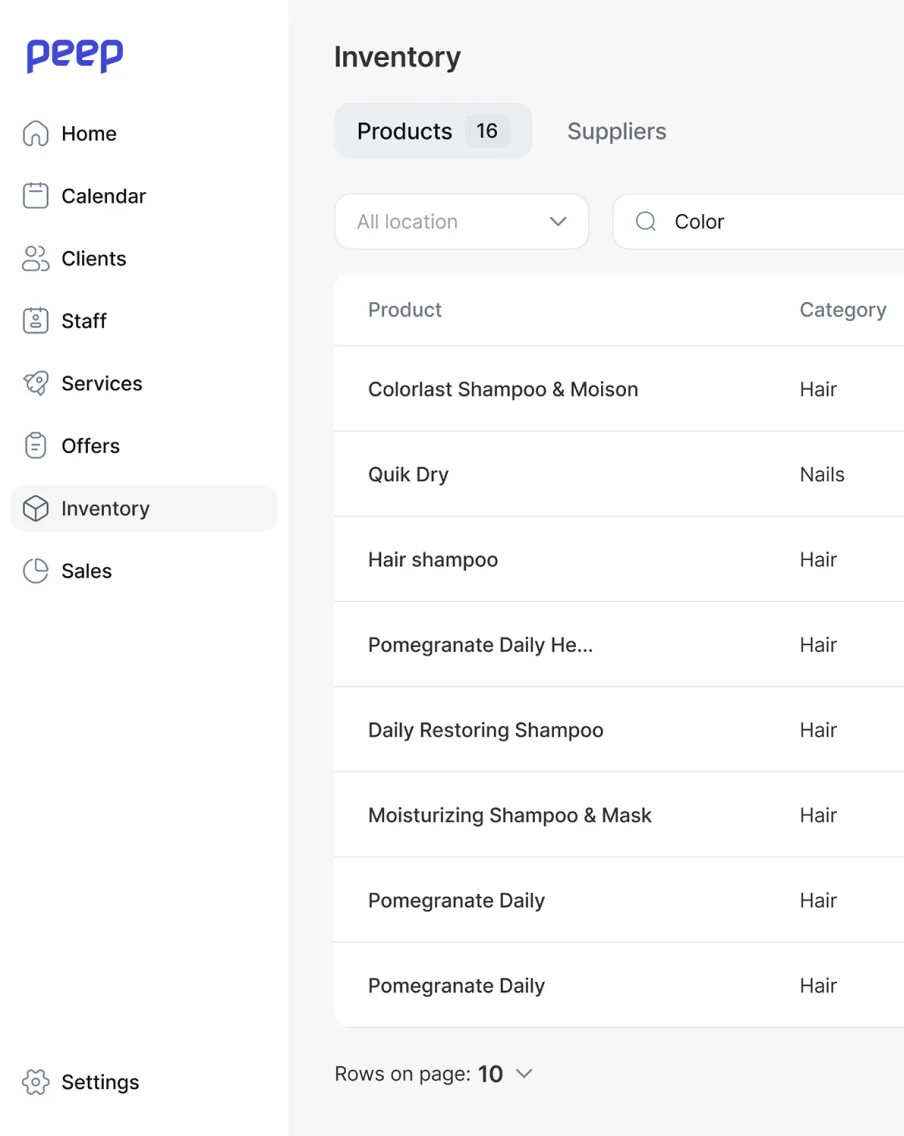
BookPeep — Booking platform

Years of new features had made the product harder to use than it was at launch.

UX design audit found the specifics — currency printed before the price, dropdowns pointing the wrong way, duplicated events on the home screen, no clear hierarchy anywhere.
/ 03
Outcome: friction fixed without
a full redesign.
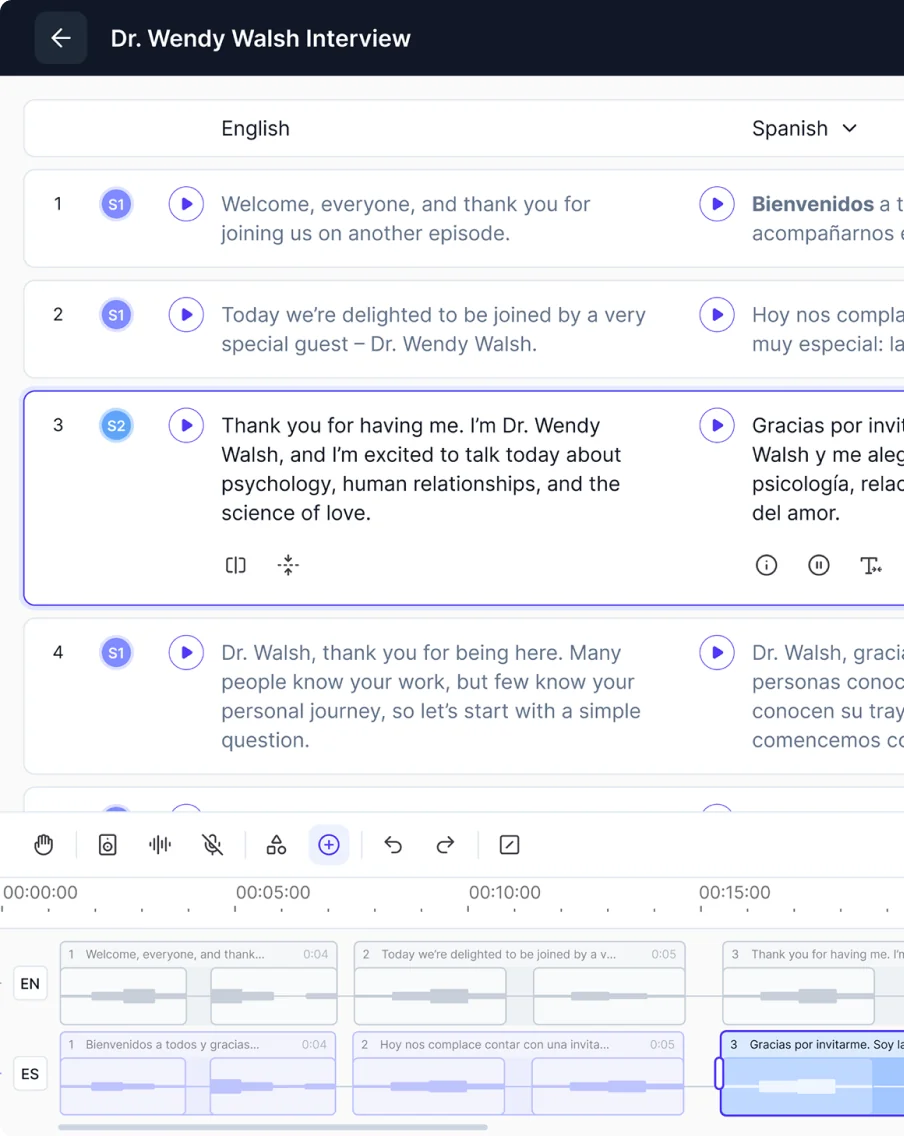
Panjaya — AI video localization

A new interaction model nobody had seen before, and a high learning curve to match.
Three days across every screen and workflow, documented as what's broken, what could improve, and how to solve it.
/ 04
Outcome: a rebuilt workflow. TED, a Panjaya client, reports 115% more views.

An auditor who already knows your industry

Eleken has designed 400+ SaaS products over 11 years, so your designer arrives knowing how products like yours are supposed to work. That means less time spent explaining your domain, and findings that go past generic best practice.

4.9 Clutch rating, built on real results

Teams value our speed, clarity, and long-term product thinking. We’re not a vendor — we’re a design partner.

Max Hinchcliffe
Co-Founder
Michał Wieczorek
CPO
Michael Brenner
Commercial Director
Jeff Houle
Co-Founder
Daniel Metrikin
VP
Kyle Kling
Founder
Max Hinchcliffe
Co-Founder
Michał Wieczorek
CPO
Michael Brenner
Commercial Director
Jeff Houle
Co-Founder
Daniel Metrikin
VP
Kyle Kling
Founder
Max Hinchcliffe
Co-Founder
Michał Wieczorek
CPO
Michael Brenner
Commercial Director
Jeff Houle
Co-Founder
Daniel Metrikin
VP
Kyle Kling
Founder

Know what's wrong with your product, and in what order to fix it

A senior SaaS designer reviews your product and walks you through what they found.

Get in touch

Explore more UI/UX solutions we offer

Product redesign

Once you know what’s broken, this is the work that fixes it. The same designer who ran your audit takes the highest-impact issues and redesigns those flows.

Pre-launch product design

You've built the product with developers, AI, or both, and it works — but it still feels like a prototype. We turn it into something people can use without you explaining it.

Design System

For teams shipping fast and watching every new feature make the product a little less consistent. We build the components and rules that keep it coherent.

UX audit services FAQ

What is a UX audit?
A UX audit tells you why your product isn't performing the way it should, and what to fix first. A designer goes through your flows the way your users do, finds where people get confused, stuck, or drop off, and documents what's causing each problem. You end up with a ranked list of issues and a specific fix for each one — so the next thing your team builds is the thing that actually moves the number.
Do I have to do a redesign with you afterward?
No. We provide UI/UX audit services as a complete service — you pay $6,599, you get the review, the report, and the walkthrough, and that's the whole transaction. Plenty of teams take the findings to their own developers. If you do decide to continue with us, the rest of that month is already covered, so the redesign starts without a second invoice.
How long does a UX audit take?
It depends on scope. A focused audit of one flow in a complex product usually takes one to two weeks. A full review of an entire SaaS platform can take up to a month. We'll tell you which on the scoping call, before you commit to anything.
Can you audit just one flow, or does it have to be the whole product?
Either. Some teams want the entire product reviewed. Others want one specific thing: the onboarding, the checkout, the screen where the data says people give up. We agree the scope on the first call, and the price is the same either way.
What do you need from us?
Access to the product, a short call with whoever knows it best — usually product plus someone from support — and your analytics if you have them running. After that, the review happens on our side.
What if we don't have analytics set up?
Then we work from the product itself, plus whatever you do have: support tickets, sales call notes, customer complaints, your own suspicions. Analytics make the findings sharper because they show where people struggle. They're not a requirement.
Who does the audit?
A senior SaaS designer from our team, matched to your category where we have the experience — and after 400+ products across fintech, healthcare, data-heavy B2B, AI, and geospatial, we usually do. No juniors, no subcontractors.
Do we get designs, or just recommendations?
Recommendations. A senior SaaS designer reviews your product, documents every issue with a severity rating and a specific fix, and walks you through the findings so you know what to do and in what order. What you don't get is Figma files — the audit tells you what to change, not what the changed version looks like. If you want that built, we can do the redesign. If you'd rather your own team handles it, the report is written so they can.
What's the difference between a UX audit and user testing?
An audit is expert-led: a designer evaluates your product against usability principles, established patterns, and your own data. It's faster and it covers more ground. User testing puts real users in front of the product and watches what happens — slower, narrower, but it surfaces things nobody could predict. An audit is the right starting point when you need a full picture quickly; testing is how you validate specific findings afterward.
What happens after we get the report?
Your designer walks you through it, answers questions, and helps you work out where to start. After that it's your call — your team implements it, or we do.
By clicking “Accept All”, you agree to the storing of cookies on your device to enhance site navigation, analyze site usage, and assist in our marketing efforts. View our Privacy Policy for more information.